
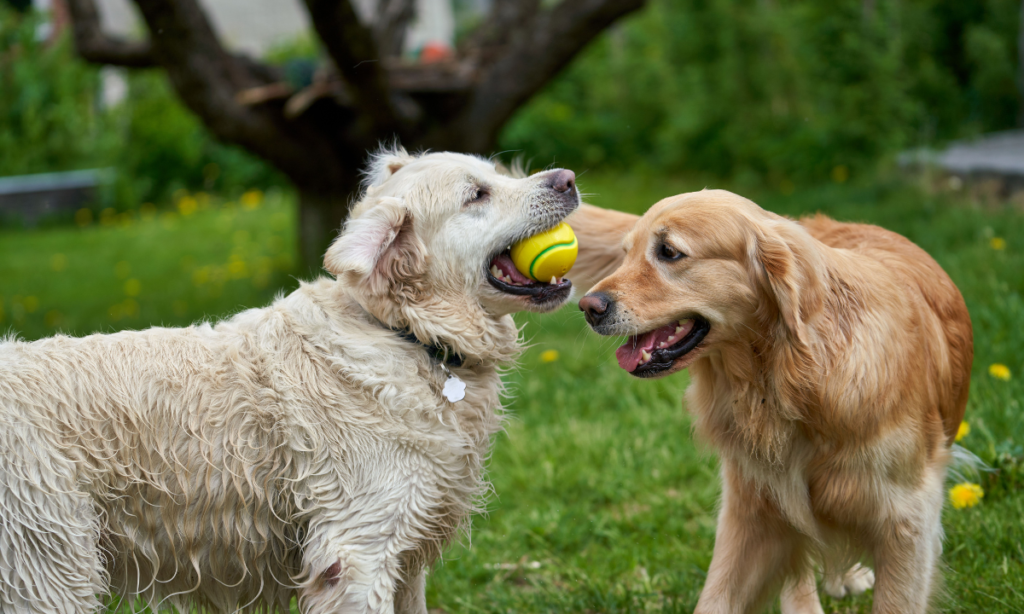

Being a responsible dog owner is about much more than providing food and shelter. Dogs need love, proper nutrition, regular exercise, consistent training, grooming, and preventive healthcare to live happy and healthy lives. Whether you’ve recently adopted your first puppy or have years of experience caring for dogs, staying informed about the latest pet care practices is essential.
LLBlogPet Advice for Dogs by Lovelolablog offers practical, easy-to-understand guidance that helps dog owners make informed decisions about their pets’ well-being. This complete guide explores everything you need to know, from nutrition and training to grooming and health care, so you can give your furry companion the best possible life.
What is LLBlogPet Advice for Dogs by Lovelolablog?
LLBlogPet Advice for Dogs by Lovelolablog is a collection of practical dog care tips designed to help pet owners understand every aspect of raising and caring for their dogs. Rather than overwhelming readers with complicated veterinary terms, the advice focuses on simple, actionable recommendations that fit into everyday life.
The guidance covers a wide range of topics, including healthy diets, exercise routines, behavior management, grooming techniques, healthcare, and emotional bonding. Whether your dog is a playful puppy or a senior companion, the information is relevant for every stage of life.
Why Dog Owners Trust Lovelolablog for Pet Guidance
Many dog owners appreciate Lovelolablog because it emphasizes practical solutions instead of unrealistic expectations. The advice is presented in a friendly, easy-to-follow style that makes learning enjoyable.
Readers trust the content because it encourages responsible pet ownership, focuses on preventive care, and promotes positive relationships between dogs and their families. The goal is always to improve both the physical and emotional well-being of pets.
Understanding Your Dog’s Basic Needs
Every dog has fundamental needs that must be met to ensure a healthy, balanced life. Understanding these needs creates the foundation for responsible pet ownership.
Essential Needs Every Dog Requires
Dogs require nutritious food, fresh drinking water, comfortable shelter, regular veterinary care, exercise, social interaction, and mental stimulation. They also need consistency in their daily routine, which helps reduce anxiety and behavioral problems.
Love and companionship are equally important. Dogs are social animals that thrive when they feel connected to their families.
How to Create a Safe and Comfortable Environment
Creating a safe home starts with removing dangerous objects, toxic plants, electrical cords, and small items that can be swallowed. Provide your dog with a quiet sleeping area, comfortable bedding, clean water, and toys that encourage healthy play.
Nutrition and Diet Tips for Dogs
A balanced diet is one of the most important factors in maintaining your dog’s health and longevity.
Choosing the Right Food for Your Dog
Select food based on your dog’s age, breed, size, activity level, and any medical conditions. Puppies need different nutrients than adult or senior dogs, while highly active breeds often require more calories.
Always read ingredient labels and choose foods that contain quality protein as the primary ingredient.
Homemade vs. Commercial Dog Food
Homemade meals allow owners to control ingredients and avoid unnecessary additives. However, preparing balanced homemade meals requires careful planning to ensure all nutritional needs are met.
Commercial dog foods are convenient and often formulated to meet complete nutritional standards. High-quality commercial diets can be an excellent choice for most dogs.
Feeding Schedule and Portion Control
Maintaining a consistent feeding schedule supports healthy digestion and helps prevent overeating. Puppies usually require several small meals daily, while adult dogs generally eat once or twice per day.
Portion sizes should be adjusted according to your dog’s weight, activity level, and body condition to reduce the risk of obesity.
Exercise and Physical Activity
Exercise is essential for maintaining both physical health and emotional well-being.
Importance of Daily Exercise for Dogs
Regular physical activity strengthens muscles, supports joint health, improves cardiovascular fitness, and helps prevent obesity. Exercise also reduces boredom, destructive behavior, and excessive barking.
Fun Activities to Keep Your Dog Active
Daily walks are excellent, but variety keeps dogs mentally engaged. Consider activities such as:
- Fetch
- Tug-of-war
- Agility training
- Hiking
- Swimming
- Interactive puzzle toys
- Hide-and-seek games
These activities stimulate both the body and the mind.
Exercise Based on Breed and Age
Exercise requirements vary significantly between breeds and life stages. Working breeds generally require more intense activity, while smaller or senior dogs benefit from shorter, lower-impact sessions.
Always adjust exercise intensity to match your dog’s individual health and energy level.
Training and Behavior Tips
Training helps dogs become confident, well-behaved members of the family.
Basic Commands Every Dog Should Learn
Every dog should learn essential commands such as:
- Sit
- Stay
- Come
- Down
- Leave it
- Heel
These commands improve safety while strengthening communication between owner and pet.
Positive Reinforcement Techniques
Positive reinforcement rewards good behavior instead of punishing mistakes. Praise, treats, toys, and affection encourage dogs to repeat desired actions. Consistency and patience are key to successful training.
How to Handle Common Behavior Problems
Behavioral issues like excessive barking, chewing, jumping, digging, or leash pulling often result from boredom, insufficient exercise, anxiety, or inconsistent training.
Identify the underlying cause before correcting the behavior. Calm guidance and consistent routines usually produce better long-term results than punishment.
Grooming and Hygiene
Proper grooming contributes to your dog’s comfort, appearance, and overall health.
How Often Should You Groom Your Dog?
Grooming frequency depends on coat type. Long-haired breeds generally require brushing several times each week, while short-haired breeds may only need weekly brushing. Regular grooming also allows owners to detect skin issues, parasites, or unusual lumps early.
Bathing, Brushing, and Nail Care Tips
Bathe your dog only when necessary using dog-specific shampoo. Frequent bathing may remove natural skin oils.
Brush your dog’s coat regularly to reduce shedding and prevent matting. Trim nails before they become overly long, as excessive nail growth can affect walking and posture.
Importance of Dental Hygiene
Dental care is frequently overlooked but extremely important. Regular tooth brushing helps prevent plaque buildup, gum disease, and bad breath. Dental chews and routine veterinary dental examinations also support long-term oral health.
Health Care and Vet Visits
Preventive healthcare allows many medical conditions to be identified before they become serious.
Regular Checkups and Vaccinations
Annual veterinary examinations help monitor your dog’s overall health. Vaccinations protect against potentially dangerous infectious diseases and should follow your veterinarian’s recommended schedule. Routine wellness visits also provide opportunities to discuss nutrition, behavior, and lifestyle changes.
Common Dog Health Issues to Watch For
Watch for symptoms such as:
- Loss of appetite
- Persistent vomiting
- Diarrhea
- Excessive scratching
- Limping
- Difficulty breathing
- Sudden weight changes
- Unusual fatigue
Prompt veterinary attention often leads to better outcomes.
Preventive Care Tips
Preventive care includes parasite prevention, vaccinations, regular exercise, healthy nutrition, dental care, weight management, and routine health screenings. These habits help your dog enjoy a longer and healthier life.
Building a Strong Bond with Your Dog
A close relationship improves both your dog’s emotional health and your overall companionship.
Understanding Dog Emotions and Body Language
Dogs communicate primarily through body language. Wagging tails, ear positions, posture, eye contact, and facial expressions all provide clues about how your dog feels. Learning these signals helps owners respond appropriately to fear, excitement, stress, or happiness.
Spending Quality Time Together
Quality time goes beyond feeding and walking. Playing games, practicing training, exploring new places, and simply relaxing together all strengthen your relationship. Dogs thrive when they receive attention and affection from their families.
Building Trust and Loyalty
Trust develops through consistency, kindness, patience, and positive interactions. Avoid harsh punishment, as it may damage confidence and create fear. Reliable routines and gentle guidance help dogs feel secure and loyal.
Tips for First-Time Dog Owners
If you’re welcoming your first dog, focus on establishing healthy routines from the beginning. Schedule a veterinary examination soon after adoption, provide a balanced diet, maintain regular exercise, and begin basic obedience training early.
Socialize your dog with different people, environments, and friendly animals to encourage confidence. Most importantly, remember that patience and consistency are essential. Every dog learns at its own pace.
Following LLBlogPet Advice for Dogs by Lovelolablog can help first-time owners avoid common mistakes while building a positive relationship with their new companion.
Why LLBlogPet Advice by Lovelolablog Stands Out
One reason LLBlogPet Advice for Dogs by Lovelolablog stands out is its focus on practical, everyday pet care rather than overly technical information. The guidance is suitable for beginners while still offering valuable reminders for experienced dog owners.
The advice emphasizes prevention, positive training methods, balanced nutrition, and emotional well-being, making it a well-rounded resource for responsible dog ownership.
Conclusion
Providing excellent care for a dog requires knowledge, patience, and commitment. From choosing the right diet and maintaining regular exercise to grooming, healthcare, training, and emotional bonding, every aspect contributes to your dog’s happiness and overall well-being.
LLBlogPet Advice for Dogs by Lovelolablog serves as a helpful resource for dog owners who want reliable, practical information that can easily be applied in everyday life. By following these recommendations and working closely with your veterinarian, you can help your loyal companion enjoy a long, healthy, and fulfilling life.
FAQs About LLBlogPet Advice for Dogs by Lovelolablog
Is LLBlogPet Advice for Dogs by Lovelolablog suitable for new dog owners?
Yes. The advice is written in a beginner-friendly style while covering essential topics that every dog owner should understand.
Can these tips be applied to all dog breeds?
Most recommendations are suitable for all breeds, although exercise, nutrition, and grooming requirements should always be adjusted according to each dog’s size, age, and health.
How often should I take my dog to the veterinarian?
Healthy adult dogs generally benefit from an annual wellness examination, while puppies, senior dogs, and dogs with medical conditions may require more frequent visits.
Why is positive reinforcement recommended?
Positive reinforcement encourages good behavior through rewards rather than punishment, helping dogs learn faster while building trust and confidence.
Does LLBlogPet Advice for Dogs by Lovelolablog replace professional veterinary care?
No. While the guidance offers valuable everyday care tips, it should complement—not replace—the advice of a qualified veterinarian, especially when a dog is sick or injured.