
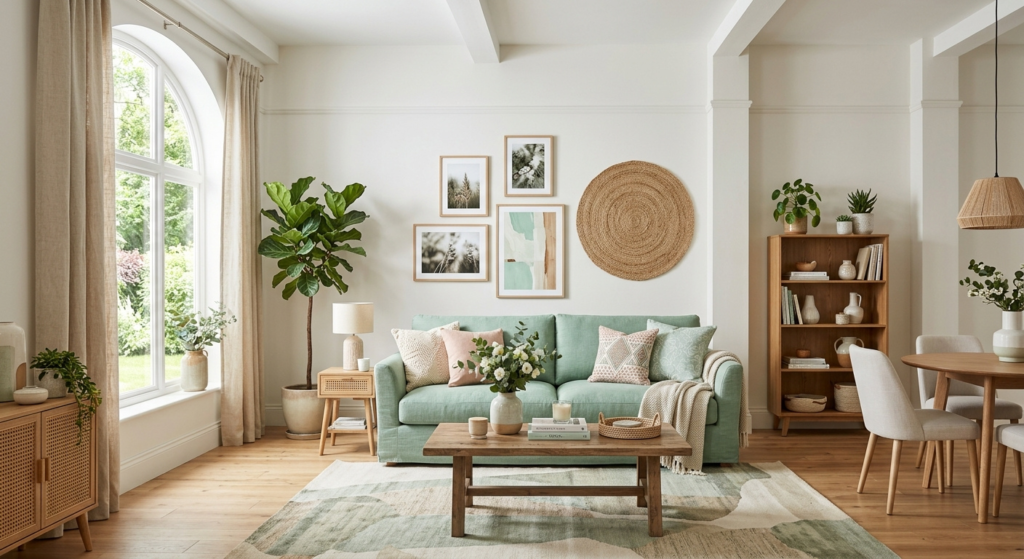

Interior design is not simply about buying attractive furniture or following the latest decorating trend. A well-designed room should feel comfortable, functional, balanced, and personal. If you want to learn how to be better at interior design mintpaldecor, the best approach is to understand the principles behind good spaces and then practice applying them.
This guide explains practical ways to improve your design skills, from choosing colors and arranging furniture to layering lighting, mixing textures, and developing a consistent style. Whether you are decorating a single bedroom or planning an entire home, these ideas can help you make smarter decisions with confidence.
What Does It Mean to Be Better at Interior Design?
Being good at interior design means more than having a strong sense of style. It involves understanding how people use a space and making design choices that support comfort, movement, mood, and everyday needs. A successful interior usually combines several elements: proportion, scale, balance, color, texture, lighting, pattern, and functionality. When these elements work together, a room feels intentional rather than randomly decorated.
Learn the Basic Design Principles
Start with balance. Symmetrical arrangements can create a formal, orderly appearance, while asymmetrical layouts can feel more relaxed and contemporary. Proportion refers to how objects relate in size, while scale considers how an object fits the room as a whole. Other useful principles include contrast, repetition, rhythm, emphasis, and harmony. You do not need to memorize design theory overnight. Instead, learn one principle at a time and look for it in rooms you admire.
Develop Your Own Design Eye
A strong design eye develops through observation. Look at professional interiors, homes you visit, furniture showrooms, magazines, and carefully selected online inspiration. Ask yourself why a particular room works. Notice the color palette, furniture arrangement, lighting, negative space, and relationship between large and small objects. Over time, you will begin to recognize patterns that make spaces feel balanced.
How to Be Better at Interior Design Mintpaldecor as a Beginner
If you are starting from scratch, do not try to redesign your entire home at once. Choose one room and treat it as a practical learning project.
Understand the Room Before Decorating
Measure the room, including walls, doors, windows, ceiling height, and major architectural features. Identify where people naturally walk and where furniture can be placed without blocking movement. Think about the room’s primary purpose. A family living room needs comfortable seating and conversation space. A home office needs useful task lighting and an efficient work surface. Design should solve real problems before it adds decoration.
Create a Simple Design Plan
Before purchasing anything, write down your goals. Decide what you want the room to feel like, what must stay, what needs replacing, and how much you can reasonably spend. A simple mood board can make the process easier. Collect examples of colors, furniture, materials, lighting, and accessories that you genuinely like. Then remove ideas that do not fit together.
Find Your Interior Design Style
You may prefer modern, minimalist, Scandinavian, traditional, industrial, contemporary, or eclectic interiors. You do not have to choose one label permanently. Instead, identify repeated preferences. Perhaps you consistently like warm wood, soft neutrals, natural fabrics, and simple furniture. Those preferences can become the foundation of your personal style.
How to Be Better at Interior Design Mintpaldecor by Choosing Better Colors
Color is one of the fastest ways to change the character of a room, but it is also an area where beginners often make mistakes.
Build a Practical Color Palette
Choose a dominant color first, followed by a secondary color and one or two accents. The popular 60-30-10 approach can be a useful starting point: roughly 60 percent of the room uses the main color, 30 percent supports it, and 10 percent provides accents.
Consider Natural and Artificial Light
A paint color can look completely different in morning sunlight, afternoon light, and artificial lighting. Test samples on the wall and observe them at different times before making a final decision. Warm bulbs can make some colors appear richer, while cool lighting may make them feel sharper. Always consider lighting alongside your color choices.
How to Be Better at Interior Design Mintpaldecor With Furniture Placement
Furniture determines how a room functions, so placement deserves careful attention.
Measure Before You Buy
Record the dimensions of the room and the furniture you are considering. Also measure doorways, stairways, elevators, and narrow corridors if large items must be delivered. A beautiful sofa is not a good choice if it cannot fit through the entrance or leaves no comfortable walking space.
Create a Strong Focal Point
Every room benefits from a visual anchor. This might be a fireplace, large window, artwork, statement bed, television wall, or distinctive architectural feature. Arrange furniture so the focal point is easy to notice without forcing every object to compete for attention.
Improve Interior Design With Better Lighting
Lighting can completely change the mood and usability of a room. Even a beautiful layout can feel flat if the lighting is poorly planned.
Understand the Three Layers of Lighting
Ambient lighting provides general illumination. Task lighting supports activities such as reading, cooking, studying, or working. Accent lighting highlights artwork, shelves, architectural details, or other features.
Make Natural Light Work for You
Keep windows as visually open as possible when natural light is an advantage. Use mirrors strategically to reflect light and make a room feel brighter. Curtains and blinds should also be chosen according to privacy, light control, and the desired visual effect.
How to Be Better at Interior Design Mintpaldecor Through Texture and Pattern
Rooms can feel visually dull when everything has the same texture. Texture introduces depth and makes a space more inviting.
Mix Complementary Materials
Combine materials such as wood, metal, glass, stone, cotton, linen, and wool. The goal is not to use every material in one room but to create enough variation to keep the space interesting.
Use Patterns With Control
Patterns can add personality through rugs, cushions, curtains, wallpaper, or artwork. If you use several patterns, look for a shared color or visual connection. Mixing a large pattern with smaller patterns is often easier than using several bold designs of equal visual weight.
How to Be Better at Interior Design Mintpaldecor With Decor and Accessories
Accessories are where a room begins to feel personal. They should support the overall design rather than simply fill empty surfaces.
Try the Rule of Three
Grouping objects in odd numbers can create a more natural composition. Combine different heights, shapes, or textures so the arrangement does not look flat.
Know When to Stop
One of the most useful decorating skills is editing. Step back from the room and remove anything that feels unnecessary. A space should have enough character to feel complete without becoming visually exhausting.
Create a Cohesive Home
A home does not need to look identical from room to room. However, some repeated elements can create a sense of connection.
Create Flow Between Rooms
Think about what can be seen from one room into another. Strongly contrasting styles can work, but transitions should still feel intentional.
Common Interior Design Mistakes to Avoid
Learning from mistakes can improve your skills faster than constantly buying new decor.
Choosing Style Over Function
A room may photograph beautifully but still be uncomfortable. Make sure seating is practical, storage is accessible, lighting supports activities, and walkways remain clear.
Buying Furniture Without Measuring
Guessing dimensions is a common and expensive mistake. Measure first, then compare the measurements with the product specifications.
Following Every Trend
Trends can provide inspiration, but your home does not need to change every season. Use trendy colors or accessories in smaller, replaceable ways while keeping major purchases more timeless.
Advanced Interior Design Techniques
Once you understand the fundamentals, you can experiment with more sophisticated techniques.
Create Visual Balance
Balance can be symmetrical, asymmetrical, or radial. The right choice depends on the room and the mood you want to create.
Use Contrast Intentionally
Contrast can come from light and dark colors, smooth and rough textures, large and small shapes, or old and new pieces. Use contrast to guide attention rather than create visual chaos.
How to Be Better at Interior Design Mintpaldecor Through Practice
Design skills improve with repetition. You can practice without spending much money.
Redesign One Room at a Time
Take photographs of the room before making changes. Try several furniture arrangements and compare them. Small experiments can teach you more than simply reading about design.
Study Rooms You Admire
Instead of simply saving inspirational images, analyze them. Identify the dominant color, focal point, furniture scale, lighting layers, and repeated materials.
Review Your Results
After completing a room, ask what worked and what did not. This reflection helps you develop a stronger design process for your next project. Anyone exploring how to be better at interior design mintpaldecor can build confidence by making one small design decision each day.
Budget-Friendly Ways to Improve Your Interior
Good design does not always require expensive furniture.
Focus on High-Impact Changes
Paint, lighting, curtains, rugs, plants, and carefully chosen artwork can transform a room without requiring a complete renovation.
Refresh What You Already Own
Rearrange furniture, change textiles, repaint a small piece, update hardware, or move accessories between rooms. Sometimes a fresh arrangement is all a space needs.
A Practical Interior Design Checklist
| Design Element | What to Check |
| Space | Room measurements, purpose, and traffic flow |
| Color | Dominant, supporting, and accent colors |
| Furniture | Scale, comfort, placement, and proportion |
| Lighting | Ambient, task, natural, and accent lighting |
| Texture | Variety of materials and soft furnishings |
| Decor | Personality, balance, and visual editing |
| Layout | Focal point, circulation, and negative space |
| Budget | Priorities, quality, and planned spending |
How to Be Better at Interior Design Mintpaldecor: Quick Tips
- Measure every important space before buying furniture.
- Start with function, then add decorative details.
- Keep your color palette intentional.
- Give each room a clear focal point.
- Combine different textures for depth.
- Use several lighting layers.
- Leave enough negative space.
- Repeat selected colors or materials for continuity.
- Avoid excessive matching.
- Let your personal taste guide the final decisions.
Conclusion
Becoming better at interior design is a process rather than a single skill you master overnight. The biggest improvement usually comes from learning the fundamentals, observing successful spaces, practicing different layouts, and becoming comfortable with editing your own ideas. If you want to know how to be better at interior design mintpaldecor, start small. Measure carefully, build thoughtful color palettes, choose furniture according to scale, layer your lighting, mix textures, and leave enough breathing room. Most importantly, design for the people who will actually use the space.
FAQs
Q1: How can I get better at interior design as a beginner?
Ans: Learn the fundamentals of color, balance, scale, proportion, lighting, texture, and furniture placement. Then practice on small spaces and review your results.
Q2: What is the most important interior design principle to learn?
Ans: Balance is a strong starting point because it helps distribute visual weight and makes a room feel stable and comfortable. However, good design depends on several principles working together.
Q3: How do I choose a color palette for my home?
Ans: Start with the mood you want, then consider natural light, existing furniture, flooring, and architectural features. Select a dominant color and add supporting and accent shades.
Q4: How can I make a small room look better?
Ans: Use appropriately scaled furniture, clear walkways, reflective surfaces, smart storage, lighter colors when suitable, and layered lighting. Avoid overcrowding the floor.
Q5: Should every room have the same interior design style?
Ans: No. Rooms can have different personalities while sharing a few colors, materials, or finishes. Those repeated details create a sense of connection.
Q6: How can I improve my interior design skills on a small budget?
Ans: Rearrange existing furniture, make mood boards, study professional spaces, experiment with lighting, and practice color combinations. Skill develops through observation and repeated experimentation.
Q7: What mistakes do beginner interior designers commonly make?
Ans: Common problems include buying without measuring, overcrowding rooms, ignoring lighting, using too many unrelated colors, choosing furniture that is too large, and focusing on trends instead of function.