
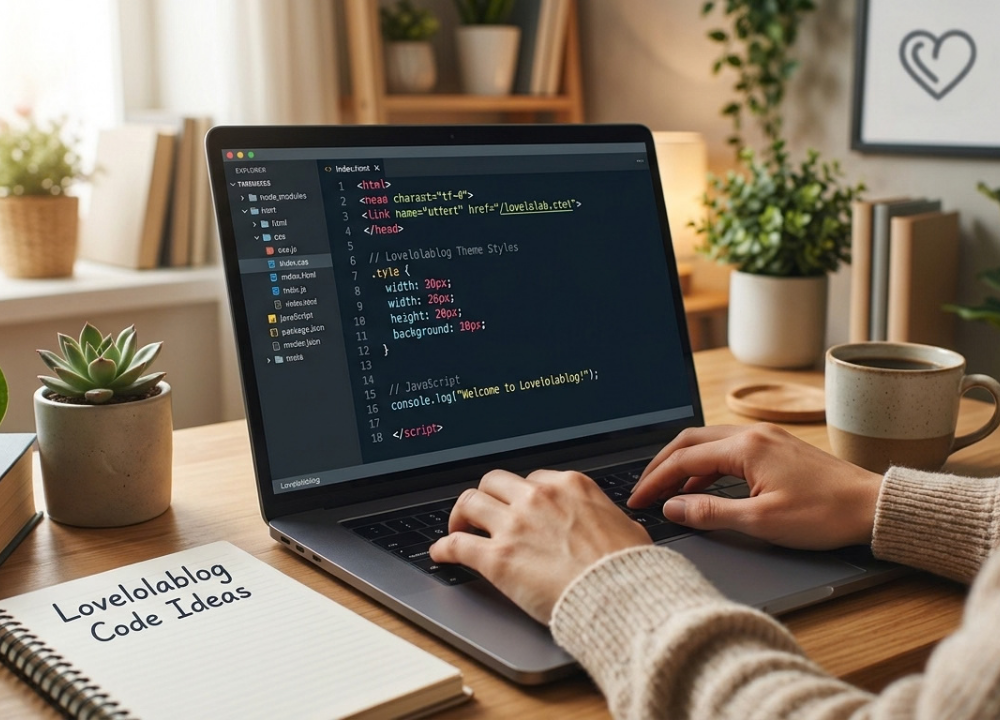

If you have searched for lovelolablog code, you may have noticed that the phrase can appear in different contexts online. Some pages connect it with promotional offers, while others use similar wording for coding resources, blogging guidance, or general website content. Because of that variation, understanding the context behind the term is important before assuming that it refers to one particular type of feedbuzzard code.
This guide explains what the phrase can mean, how to evaluate information about it, where to look for reliable details, and what to do if you encounter a promotional or digital code associated with LoveLolaBlog. The goal is to give readers practical information without presenting an unverified offer as active.
What Is Lovelolablog Code?
The phrase lovelolablog code does not appear to have one universally established meaning. Depending on the source, it can refer to a promotional code, a website-related reference, or coding-focused content associated with the LoveLolaBlog name. Search results currently show multiple interpretations, so readers should check the specific page and context rather than assuming every result refers to the same thing.
For shoppers, a code may mean a promotional or discount code that can potentially provide an offer. For readers interested in technology, similar terminology may refer to programming tutorials, code examples, or technical content. This difference is important because the correct way to use or evaluate the term depends on what the original source actually provides.
Why the Meaning Can Vary?
Search phrases are not always official product names. A phrase can become popular because several websites use similar wording to describe different subjects. For example, current online material associates LoveLolaBlog-related code terms with both promotional content and programming-oriented resources. That means readers should look beyond the keyword itself. Check the page title, surrounding content, publisher, date, and stated purpose before deciding what a particular code means.
What Can a Lovelolablog Code Be Used For?
A promotional code may be designed to apply a discount, provide free shipping, unlock a special offer, or give eligible users another benefit. Promotional codes commonly come with conditions such as expiration dates, minimum spending requirements, product exclusions, or geographic restrictions.
On the other hand, a coding-related reference may involve programming examples, HTML, CSS, JavaScript, or other technical material. Some online pages using the LoveLolaBlog name describe coding as a practical learning subject and emphasize examples, troubleshooting, and experimentation.
Promotional Codes
A promotional code is generally a sequence of letters, numbers, or a combination of both that can be entered during a qualifying transaction. The benefit could vary depending on the promotion.
Possible examples include:
- Percentage discounts
- Fixed-value discounts
- Free delivery
- New-customer offers
- Product-specific promotions
- Seasonal deals
- Special campaign benefits
Coding Resources
A technical code is completely different. It may be a snippet used to demonstrate how a programming language or web technology works. For beginners, useful coding resources normally explain not only what to copy but also why the code works, how to test it, and what to do when an error occurs. That educational approach is reflected in several pages currently associated with LoveLolaBlog-related coding searches.
How to Find a Lovelolablog Code
If you are specifically searching for a promotional offer, begin by identifying the source that is actually providing the offer. Do not assume that every website mentioning the keyword has an authentic or currently valid code. Search the relevant LoveLolaBlog page, promotional material, or clearly identified partner source. Look for information showing what the code does, where it can be used, and whether an expiration date or other conditions apply.
Check the Publication Date
A code published months or years ago may no longer work. Even if an old article still appears in search results, that does not prove the promotion remains available.
Look for:
- Publication dates
- Updated dates
- Current terms
- Recent user information
- Confirmation from the relevant source
Compare More Than One Source
If you find a code on an unfamiliar website, compare the information with another reliable source. You do not necessarily need to find dozens of websites repeating the same claim. In fact, multiple sites may simply be copying the same outdated information. Instead, look for a source that provides clear details and a reasonable explanation of the offer.
How to Use a Lovelolablog Code
If the code you find is a genuine promotional code, the general process is straightforward. However, the exact steps can differ depending on the website or service involved.
Read the Offer Details
Before entering the code, check the terms. Look for expiration dates, minimum purchase requirements, excluded products, and account restrictions.
Copy the Code Carefully
Enter the characters exactly as provided. Some systems may treat spaces or certain characters differently.
Find the Code Field
During checkout, look for a box labeled something like:
- Promo code
- Coupon code
- Discount code
- Promotional code
- Voucher code
Apply the Code
Enter the code exactly as provided, then click the relevant button, such as Apply, Redeem, or Submit. Make sure the code is entered correctly so the system can process it successfully.
Why a Lovelolablog Code May Not Work
An expired promotion is one of the most common possibilities. Other reasons include minimum spending requirements, product exclusions, account eligibility, regional restrictions, or limits on how many times a code can be used.
The following table summarizes common situations:
| Issue | What It Means | What to Check |
| Expired code | The promotional period has ended | Check the expiration date |
| Incorrect entry | The code was entered incorrectly | Copy it carefully |
| Minimum purchase | A spending threshold applies | Check the offer terms |
| Product restriction | Certain products are excluded | Review eligible items |
| Account restriction | Only selected users qualify | Check account requirements |
| Regional restriction | The offer is limited geographically | Review location eligibility |
| One-time use | The code has already been redeemed | Check previous usage |
How to Verify a Lovelolablog Code
Verification is particularly important when dealing with promotional information. Search results can contain old articles, copied claims, and pages that do not clearly identify their sources.
When evaluating a lovelolablog code, ask five simple questions:
- Who published the code?
- When was the information published or updated?
- What exactly does the code provide?
- Are there eligibility requirements?
- Can the offer be confirmed through a relevant source?
Be Careful With Unusually Large Claims
A very large discount may attract attention, but it should also encourage additional verification.
Be cautious when a page:
- Makes extraordinary savings claims without evidence
- Does not provide terms
- Has no identifiable source
- Uses misleading countdown timers
- Requests unnecessary personal information
- Redirects visitors through multiple suspicious pages
Lovelolablog Code and Online Shopping
If your interest is shopping-related, remember that a discount is only useful when it improves the value of something you actually intend to purchase. For example, a 20% discount does not necessarily represent meaningful savings if the product is overpriced, unnecessary, or accompanied by expensive delivery charges.
Before completing a purchase, compare:
- Original price
- Discounted price
- Shipping costs
- Taxes or service charges
- Minimum order requirements
- Return conditions
Lovelolablog Code and Coding Content
There is another important interpretation worth understanding. Some websites using LoveLolaBlog-related terms publish coding tutorials and programming advice rather than shopping promotions. Current search results include material discussing programming fundamentals, debugging, documentation, small projects, and safe experimentation. If you reached the phrase while looking for programming information, focus on the technical context instead of treating it as a coupon keyword.
What Beginners Can Learn From Coding Guides
A useful coding tutorial should normally explain:
- The problem being solved
- The programming language being used
- The purpose of the code
- How to test the example
- Common errors
- Ways to improve the solution
Practice With Small Projects
Beginners can reinforce programming concepts through manageable projects such as:
- A calculator
- A simple quiz
- A to-do list
- A personal webpage
- A basic expense tracker
- A small number game
Common Mistakes to Avoid
Whether you are researching a promotional code or a coding resource, several mistakes can make the search more difficult.
Assuming Every Search Result Is Official
Search engines organize information; they do not automatically guarantee that every result is authoritative or current.
Using Outdated Information
Older pages can continue appearing in search results even after an offer has ended or technical information has changed.
Ignoring Terms and Conditions
A code may have restrictions that are easy to overlook. Read the conditions before relying on the advertised benefit.
Tips for Getting Better Results
Start by defining what you actually want. Are you looking for a shopping discount, information about the LoveLolaBlog website, or programming content? Next, examine the most relevant source rather than relying entirely on search snippets. Compare dates and terms, and verify important claims. For technical information, official documentation should remain an important reference because software libraries, frameworks, and programming practices can change over time.
Final Thoughts
The phrase lovelolablog code can point to more than one type of online content, which is why context matters. Some current sources connect related terms with promotional offers, while others focus on programming, technical tutorials, or broader blogging topics. If you are looking for a promotional offer, verify its source, date, eligibility requirements, and expiration information before relying on it. If you are looking for coding material, focus on resources that explain the logic behind examples and encourage safe, practical learning.
FAQs
Q1: What does lovelolablog code mean?
Ans: The phrase can have different meanings depending on the context. Online sources currently associate it with promotional information as well as coding and blogging-related content, so readers should examine the specific source before deciding what the term refers to.
Q2: Is there one official Lovelolablog code?
Ans: There is not enough reliable evidence to assume that every search for the phrase refers to one universal active code. If you are looking for a promotion, verify the specific offer, source, date, and terms before using it.
Q3: How can I find a valid Lovelolablog code?
Ans: Look for information from the relevant official or clearly identified source, check when it was published or updated, and confirm the terms of the offer. Do not assume that an old search result represents a currently active promotion.
Q4: Why might my Lovelolablog code not work?
Ans: Common reasons include expiration, incorrect entry, minimum purchase requirements, product exclusions, account restrictions, regional limitations, or one-time-use rules. Check the complete terms before trying another code.
Q5: Can I use more than one promotional code?
Ans: That depends on the terms of the specific promotion and the website where it is being redeemed. Some systems allow only one promotional code per transaction, while others may permit certain offers to be combined.


