
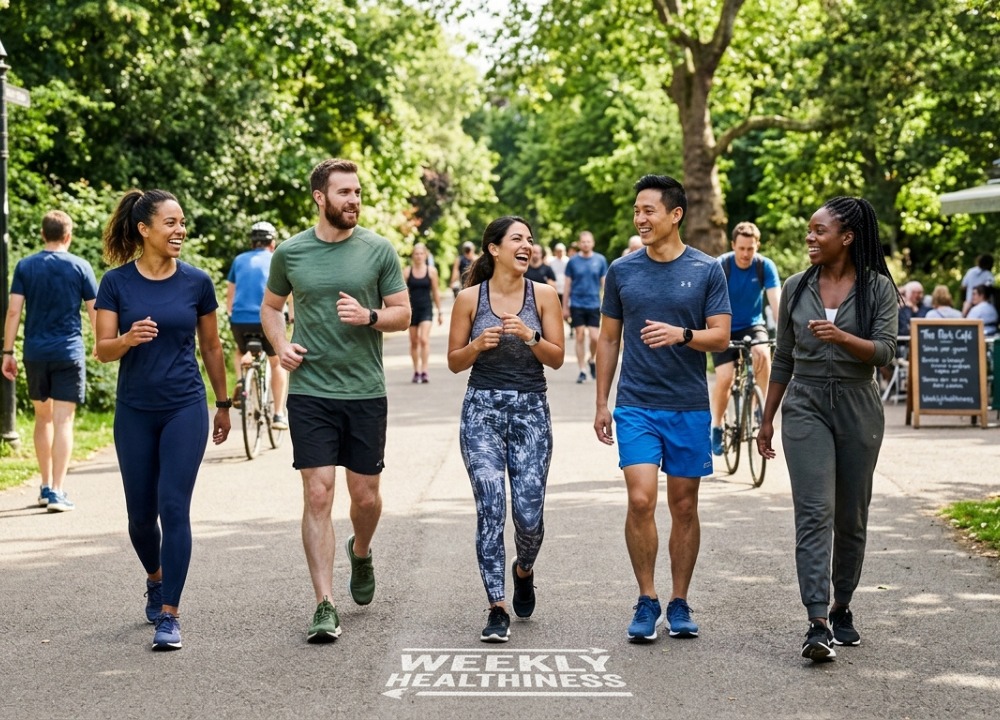

Living well does not have to mean following an extreme diet, spending hours at the gym, or changing your entire lifestyle overnight. For most people, better health comes from ordinary choices repeated consistently: eating nutritious foods, moving regularly, sleeping well, managing stress, and paying attention to preventive care.
theweeklyhealthiness is built around this practical approach to wellness. Its online content focuses on nutrition, fitness, supplements, healthy habits, mental well-being, and lifestyle improvement, with an emphasis on making health information easier for everyday readers to understand.
What Is TheWeeklyHealthiness?
At its core, theweeklyhealthiness is a health and wellness resource designed to bring different parts of healthy living together. Its published material covers subjects such as nutrition, exercise, supplements, mental wellness, daily routines, and preventive health. That broad focus is useful because health is rarely influenced by one decision. What you eat, how much you move, how well you sleep, how you respond to stress, and whether you maintain supportive relationships can all form part of a healthy lifestyle.
Why a Balanced Approach Matters
A balanced approach avoids the common trap of treating one area of health as the complete answer. A nutritious diet is important, but food alone cannot replace physical activity or adequate sleep. Likewise, exercise is valuable, but pushing yourself constantly without recovery can make a routine difficult to sustain.
The Main Health Areas Covered
One reason theweeklyhealthiness can appeal to beginners is its broad coverage. Instead of focusing exclusively on weight, workouts, or food, its content addresses several connected areas of wellness.
Nutrition and Healthy Eating
Nutrition provides the energy and nutrients the body needs for normal functions. A practical approach generally means building meals around a variety of nutritious foods rather than searching for one “perfect” food. Whole grains, vegetables, fruits, legumes, nuts, and suitable protein sources can all have a place in a balanced eating pattern. WHO also recommends emphasizing fruits and vegetables, legumes, whole grains, and nuts while limiting excess energy-dense foods and sugar-sweetened beverages.
Fitness and Physical Activity
Regular physical activity supports physical and mental well-being. WHO notes that physical activity can improve mood and sleep, increase energy, and help prevent or manage various health conditions. Importantly, exercise does not have to mean an intense gym session. Walking, cycling, swimming, recreational sports, household activities, strength exercises, and mobility work can all contribute to an active lifestyle.
Sleep and Recovery
Sleep is another foundation of wellness. A good routine gives the body and mind an opportunity to recover from the demands of the day. Consistent bedtimes, a comfortable sleeping environment, reduced electronic-device use before bed, and regular daytime activity are among the sleep habits recommended by WHO.
Mental and Emotional Well-Being
Physical health and mental well-being are closely connected. Stress is a normal response to challenging circumstances, but excessive or persistent stress can affect both mental and physical well-being. Simple strategies such as breathing exercises, regular movement, adequate rest, social connection, and taking breaks can be useful parts of a broader stress-management routine.
How to Use TheWeeklyHealthiness as a Health Resource
When exploring theweeklyhealthiness, readers should think of online health content as educational material rather than a substitute for individualized medical care. Health advice that works well for one person may not be appropriate for another. Age, activity level, existing conditions, medications, allergies, dietary needs, and other circumstances can change what is suitable.
Check the Source
Look at who created an article, when it was published or updated, and whether its claims are supported by credible evidence. Health content should not be accepted simply because it sounds confident.
Be Careful With Supplements
Supplements can be useful in specific situations, but “natural” does not automatically mean risk-free. The platform publishes supplement-related educational content covering labels, potential side effects, safety considerations, and appropriate use.
Building a Healthier Daily Routine
One of the most practical ideas associated with theweeklyhealthiness is that healthy living can be built through small, repeatable actions rather than dramatic lifestyle changes. Published material emphasizes consistency, balanced routines, and gradual improvement.
A simple daily routine might include:
- Starting the day with adequate hydration.
- Eating balanced meals.
- Adding some physical activity.
- Taking short breaks during long periods of sitting.
- Making time for relaxation or social connection.
- Following a consistent sleep schedule.
- Reviewing your habits without expecting perfection.
Start With One Change
Trying to improve everything at once can become overwhelming. Instead, choose one behavior that is easy to repeat. For example, someone who rarely exercises might begin with a short walk several days a week. Another person might first focus on adding more vegetables to meals or establishing a consistent bedtime.
Creating Better Nutrition Habits
Healthy eating becomes easier when you focus on patterns rather than individual foods. The goal is not to make every meal perfect.
Build Balanced Meals
A simple meal can include a source of protein, vegetables or fruit, a suitable carbohydrate source, and a source of healthy fats when appropriate. This structure can be adapted to different cuisines and budgets. Healthy eating does not require expensive specialty foods.
Choose More Minimally Processed Foods
Fruits, vegetables, legumes, whole grains, nuts, seeds, and other minimally processed foods can provide valuable nutrients and fiber. At the same time, there is no need to label every processed food as “bad.” A sustainable eating pattern is more realistic when it allows flexibility and focuses on the overall quality of the diet.
Making Exercise More Sustainable
For many beginners, the biggest challenge is not knowing what exercise exists—it is finding an activity they can realistically continue. theweeklyhealthiness presents fitness and movement as part of an overall healthy lifestyle rather than something that has to be extreme.
Try Different Forms of Movement
Consider activities such as:
- Walking
- Cycling
- Swimming
- Dancing
- Recreational sports
- Bodyweight exercises
- Resistance training
- Stretching and mobility work
Increase Gradually
Beginners do not need to imitate advanced athletes. Start at an appropriate level and gradually increase duration, frequency, or intensity as your fitness improves.
Sleep and Stress Management
A wellness plan is incomplete without recovery. TheWeeklyHealthiness-related guidance highlights sleep and stress management alongside nutrition and exercise.
Manage Everyday Stress
Stress cannot always be eliminated. Instead, the goal is to develop healthier ways of responding to it.
Useful options can include:
- Slow breathing
- Walking outdoors
- Journaling
- Talking with someone you trust
- Taking regular breaks
- Practicing mindfulness
- Maintaining a reasonable workload
A Simple Weekly Wellness Framework
A practical weekly plan can make healthy intentions easier to follow. Rather than setting dozens of goals, choose a few behaviors that cover the major areas of wellness.
| Health Area | Practical Weekly Goal | Simple Example |
| Nutrition | Eat balanced meals regularly | Add vegetables and a protein source to meals |
| Movement | Stay physically active | Walk, cycle, or exercise several times |
| Sleep | Protect your sleep routine | Keep a consistent bedtime |
| Hydration | Drink fluids regularly | Keep water accessible during the day |
| Mental wellness | Manage stress | Schedule quiet time or connect with others |
| Recovery | Allow adequate rest | Include easier days between demanding activities |
| Prevention | Pay attention to health needs | Attend appropriate checkups when needed |
Common Health Mistakes to Avoid
A major strength of practical wellness guidance is recognizing that good intentions can sometimes lead to poor strategies.
Expecting Instant Results
Healthy changes often take time. Expecting dramatic results after a few days can lead to unnecessary frustration. Instead, measure progress through behaviors: Are you moving more consistently? Are your meals becoming more balanced? Are you sleeping more regularly?
Following Extreme Diets
Highly restrictive diets can be difficult to maintain and may not provide a balanced approach to nutrition. Sustainable eating is generally more useful than repeatedly moving between strict dieting and overeating.
Ignoring Mental Wellness
Health goals should not become another source of constant pressure. Rest, relationships, enjoyment, and stress management deserve attention alongside nutrition and exercise.
How to Make Healthy Habits Last
Long-term wellness depends heavily on consistency. theweeklyhealthiness emphasizes practical improvements and sustainable habits rather than quick fixes.
Set Realistic Goals
Instead of saying “I will completely change my lifestyle,” choose a measurable behavior such as walking on specific days or preparing more meals at home.
Track What Matters
A simple notebook or habit-tracking app can help you notice patterns. However, tracking should support your goals rather than create unnecessary stress.
Expect Imperfect Days
Missing one workout or eating an indulgent meal does not erase your progress. Return to your normal routine at the next opportunity.
Taking a More Advanced Approach
Once the basics become routine, you can make your wellness strategy more personalized.
Understand Your Own Patterns
Notice when you tend to skip meals, sleep poorly, become inactive, or experience higher stress. Identifying patterns can help you design practical solutions.
Review Your Progress Regularly
Every few weeks, ask:
- Which habits are working?
- Which goals feel unrealistic?
- What obstacles keep appearing?
- What could be simplified?
- Do I need professional guidance?
Who Can Benefit From TheWeeklyHealthiness?
The broad approach of theweeklyhealthiness can be useful for people who want accessible information about everyday wellness. Its content is particularly relevant to beginners who are trying to understand nutrition, fitness, supplements, and healthier routines. It can also be useful for people who already have healthy habits but want to explore additional topics.
Conclusion
theweeklyhealthiness represents a practical way to think about everyday wellness: health is not one meal, one workout, or one perfect week. It is the result of many small decisions repeated over time. A strong foundation begins with balanced nutrition, regular movement, sufficient sleep, stress management, hydration, social connection, and sensible preventive care. WHO similarly describes healthy self-care as including nutritious eating, physical activity, adequate sleep, avoiding tobacco, avoiding alcohol, and maintaining social connections.
FAQs
Q1: What is TheWeeklyHealthiness?
Ans: TheWeeklyHealthiness is an online health and wellness resource covering topics such as nutrition, fitness, supplements, healthy habits, mental well-being, and lifestyle improvement. Its published material aims to make health information practical and easier for everyday readers to understand.
Q2: What topics does TheWeeklyHealthiness cover?
Ans: The content covers several areas of wellness, including healthy eating, nutrition information, exercise, supplements, sleep, stress management, daily routines, and broader lifestyle habits.
Q3: Is TheWeeklyHealthiness suitable for beginners?
Ans: Yes. The platform presents health and wellness topics in an accessible format, making it useful for readers who are beginning to learn about healthier eating, physical activity, and sustainable lifestyle habits.
Q4: What are the most important healthy habits?
Ans: Important healthy habits include eating a balanced diet, staying physically active, getting adequate sleep, managing stress, avoiding tobacco, limiting alcohol, maintaining social connections, and seeking appropriate preventive healthcare. WHO identifies these types of behaviors as important components of self-care and health promotion.
Q5: How can I start a healthier lifestyle?
Ans: Begin with one or two realistic changes. You might add regular walking, improve the balance of your meals, establish a consistent sleep schedule, or create a simple stress-management routine. Build gradually rather than trying to change everything at once.